April 15, 2026
Varicose veins are a common condition that affects millions of people across the United States. While they are often seen as a cosmetic concern, they can also signal underlying circulation issues that may require medical attention. These enlarged, twisted veins typically appear on the legs and can lead to discomfort, swelling, and changes in skin texture over time. Recognizing when symptoms go beyond appearance is an important step toward protecting your health.
Many individuals delay seeking care because they assume varicose veins are harmless or simply part of aging. However, early evaluation can help prevent complications and improve quality of life. Understanding the signs, causes, and progression of this condition allows you to make informed decisions about your care. In this article, we explain how to recognize symptoms, understand risk factors, and determine when professional evaluation may be needed.
Recognizing the Early Signs of Varicose Veins
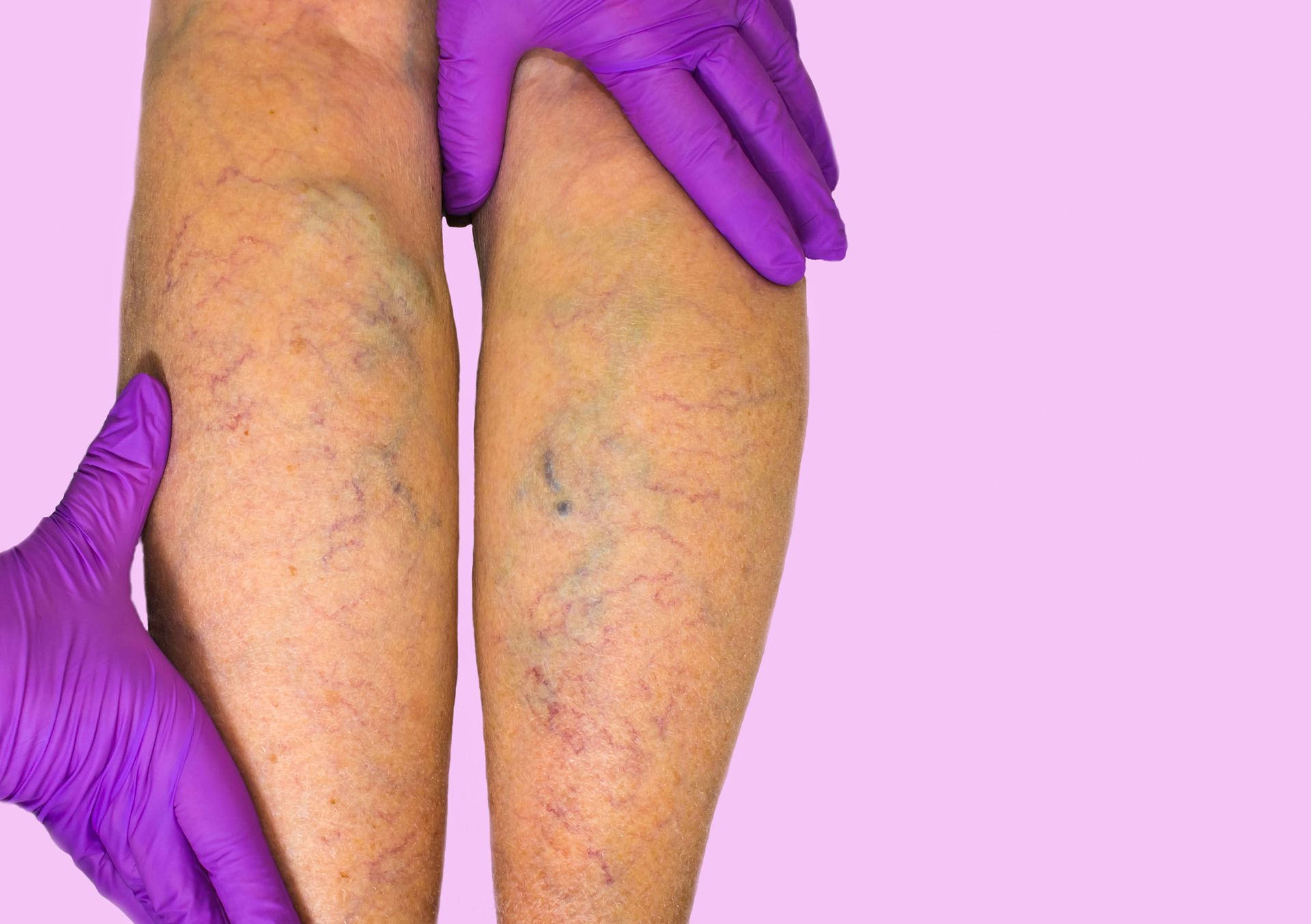
Varicose veins often begin subtly before becoming more noticeable. You may first observe small, visible veins that appear bluish or purple beneath the skin. These veins can gradually enlarge and become raised, forming the characteristic rope-like appearance associated with the condition. While these changes may seem minor at first, they can indicate the beginning of vein dysfunction.
In addition to visible changes, early symptoms may include mild aching or heaviness in the legs, especially after standing or sitting for extended periods. Some individuals also report itching or a burning sensation around the affected veins. These symptoms can come and go, which sometimes leads people to ignore them. However, paying attention to these early warning signs can help determine when varicose veins solutions may be beneficial.
Understanding the Causes and Risk Factors
Varicose veins develop when the valves inside your veins stop functioning properly. These valves are responsible for keeping blood flowing in the right direction toward the heart. When they weaken or fail, blood can pool in the veins, causing them to stretch and become enlarged. Over time, this leads to the visible and physical symptoms associated with the condition.
Several factors can increase your risk of developing varicose veins. Age is one of the most common contributors, as vein elasticity tends to decrease over time. Genetics also play a significant role. According to the Chicago Vein Institute, nearly 50% of patients with varicose veins have a family history of the condition. Other risk factors include prolonged standing, pregnancy, obesity, and a sedentary lifestyle. Understanding these influences can help you recognize when preventative care or treatment may be necessary.
Identifying When Symptoms Begin to Worsen
As varicose veins progress, symptoms often become more persistent and uncomfortable. You may notice increased swelling in your legs or ankles, especially at the end of the day. Pain may shift from mild discomfort to a more constant aching or throbbing sensation. These changes can interfere with daily activities and make it difficult to remain active.
Skin changes are another important indicator that the condition is advancing. The skin around affected veins may become discolored, dry, or irritated. In some cases, it can thicken or develop a leathery texture. These signs suggest that circulation is being impacted more significantly, and they often signal the need to explore varicose veins solutions before complications develop.
Recognizing Complications That Require Attention
While many cases of varicose veins remain mild, some can lead to more serious complications if left untreated. One potential issue is the development of venous ulcers, which are slow-healing wounds that typically form near the ankles. These ulcers can be painful and may require ongoing care to manage properly.
Another concern is the formation of blood clots within the veins, a condition known as superficial thrombophlebitis. This can cause redness, warmth, and tenderness along the affected vein. Although it is usually not life-threatening, it can be uncomfortable and may require medical evaluation. In more severe cases, deeper vein involvement can occur, increasing the risk of more serious conditions. These complications highlight the importance of recognizing when to seek professional guidance.
Evaluating the Impact on Daily Life
Varicose veins can affect more than just your physical health. Many individuals experience changes in their daily routines due to discomfort or fatigue in their legs. Activities that once felt simple, such as walking, standing for long periods, or exercising, may become more challenging over time.
There can also be an emotional component to living with varicose veins. Some people feel self-conscious about the appearance of their legs, which may lead them to avoid certain clothing or social situations. When varicose veins begin to impact your confidence or limit your activities, it may be time to consider treatment options that address both physical and aesthetic concerns.
Exploring Available Treatment Options
Modern advancements have made it easier than ever to address varicose veins effectively. Treatment options range from conservative approaches to minimally invasive procedures, depending on the severity of the condition. Lifestyle changes such as regular exercise, leg elevation, and compression stockings can help manage symptoms in the early stages.
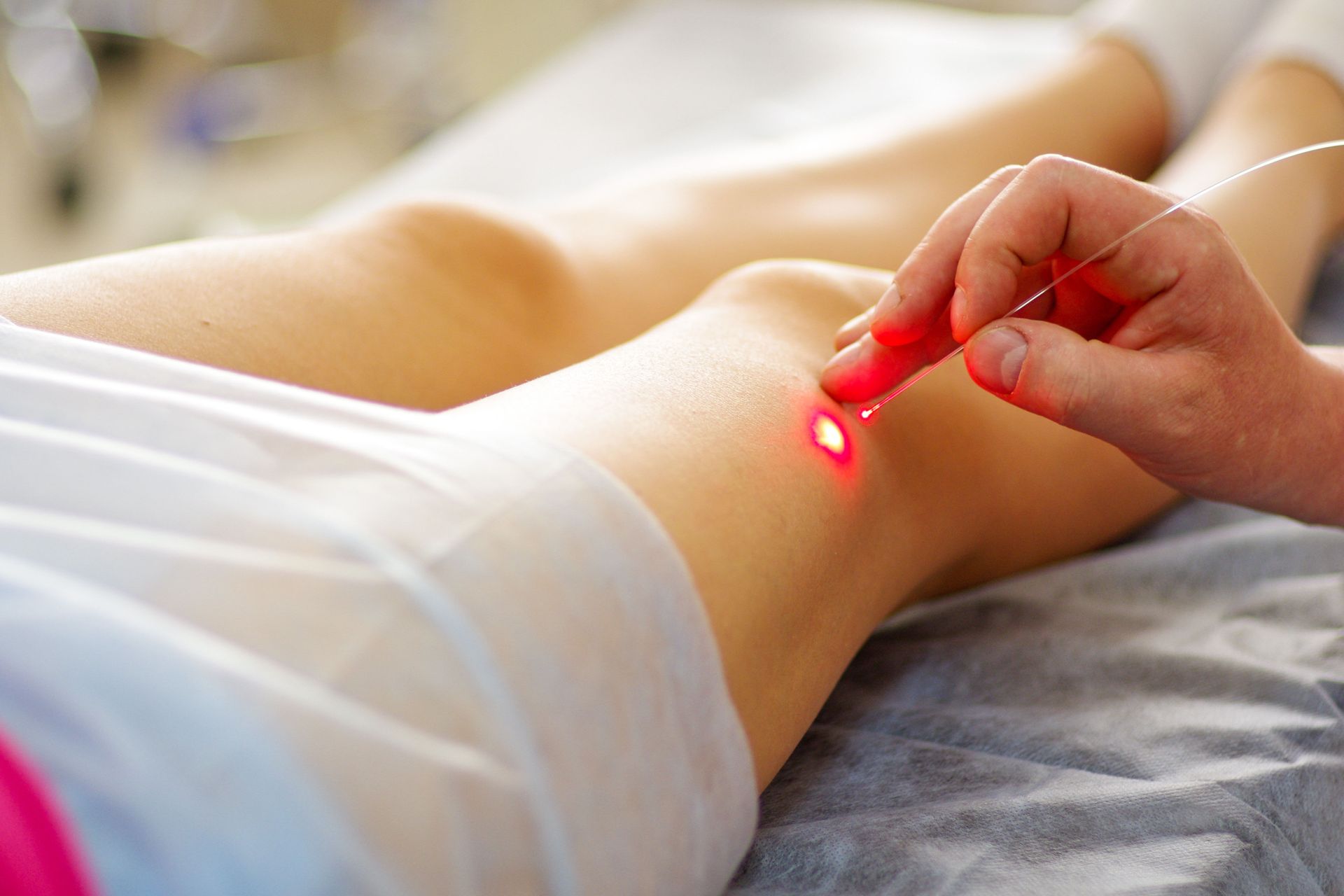
For more advanced cases, medical treatments may be recommended. These can include procedures that close or remove damaged veins, allowing blood to reroute through healthier pathways. Many of these treatments are performed on an outpatient basis and require little downtime. Exploring varicose veins solutions with a qualified provider can help you determine the best approach for your specific needs.
Knowing When to Seek Professional Evaluation
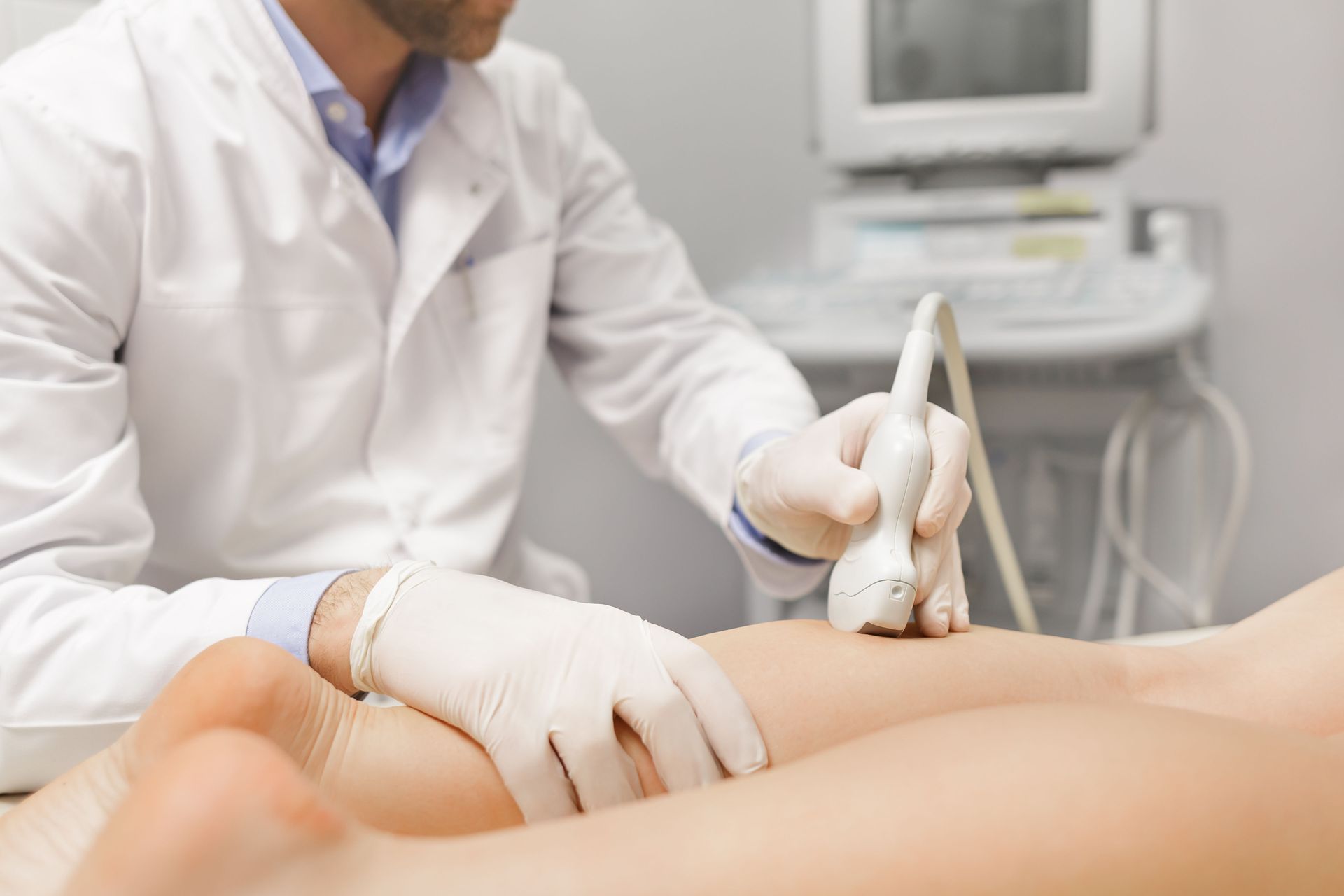
Deciding when to consult a medical professional can feel uncertain, especially if your symptoms are mild. However, there are clear signs that indicate it is time to schedule an evaluation. Persistent pain, swelling, skin changes, or the appearance of ulcers are all reasons to seek care. Even if your symptoms are primarily cosmetic, a professional assessment can provide valuable insight into your vein health.
Early evaluation allows for a more comprehensive understanding of your condition and helps guide appropriate treatment. It can also prevent minor issues from developing into more serious complications. Seeking guidance does not always mean immediate intervention, but it does provide clarity and peace of mind as you consider your options.
Preventing Further Progression of Vein Issues
Taking proactive steps can help slow the progression of varicose veins and reduce the likelihood of complications. Maintaining a healthy weight, staying active, and avoiding prolonged periods of sitting or standing can support better circulation. Elevating your legs when resting can also help reduce pressure in the veins.
Wearing compression garments is another effective way to manage symptoms and improve blood flow. These garments apply gentle pressure to the legs, helping veins function more efficiently. While these measures may not eliminate existing varicose veins, they can play an important role in managing the condition and supporting overall vein health.
Understanding the Benefits of Early Treatment
Addressing varicose veins early can lead to better outcomes and a more comfortable recovery process. When treated in the earlier stages, procedures are often less involved and may provide quicker relief from symptoms. Early treatment can also reduce the risk of complications such as ulcers or chronic swelling.
In addition to physical benefits, early intervention can improve your overall quality of life. Reducing discomfort and restoring confidence in your appearance can have a positive impact on your daily activities and well-being. Considering varicose veins solutions sooner rather than later allows you to take control of your health and avoid unnecessary challenges down the road.
If you are noticing changes in your veins or experiencing discomfort, it may be time to explore your options. Contact Vein and Laser Center today to learn more about available treatments and take the next step toward healthier, more comfortable legs.