June 11, 2026
According to the Chicago Vein Institute, nearly 50% of patients with varicose veins have a family history of the condition. Vein health is an essential aspect of overall circulatory health, and recent advancements in medical technology have brought laser treatments to the forefront of minimally invasive procedures for vein care. With their reduced recovery times, laser-based approaches are increasingly used to address common vein conditions such as varicose veins. The importance of addressing vein health lies in supporting healthy circulation and reducing discomfort associated with vein dysfunction. This article explores how laser treatments are used in modern vein care, including their methods, benefits, and safety considerations related to varicose veins.
Clear Vein Health Overview
Maintain Circulatory Flow in Veins
Veins play a key role in returning blood from the body to the heart. One-way valves inside veins help maintain proper blood flow and prevent backflow. When these valves become weakened or damaged, blood can pool in the legs, contributing to visible vein changes, including varicose veins, and discomfort. Maintaining healthy venous circulation is important for overall vascular function and reducing the progression of varicose veins.
Identify Common Vein Conditions
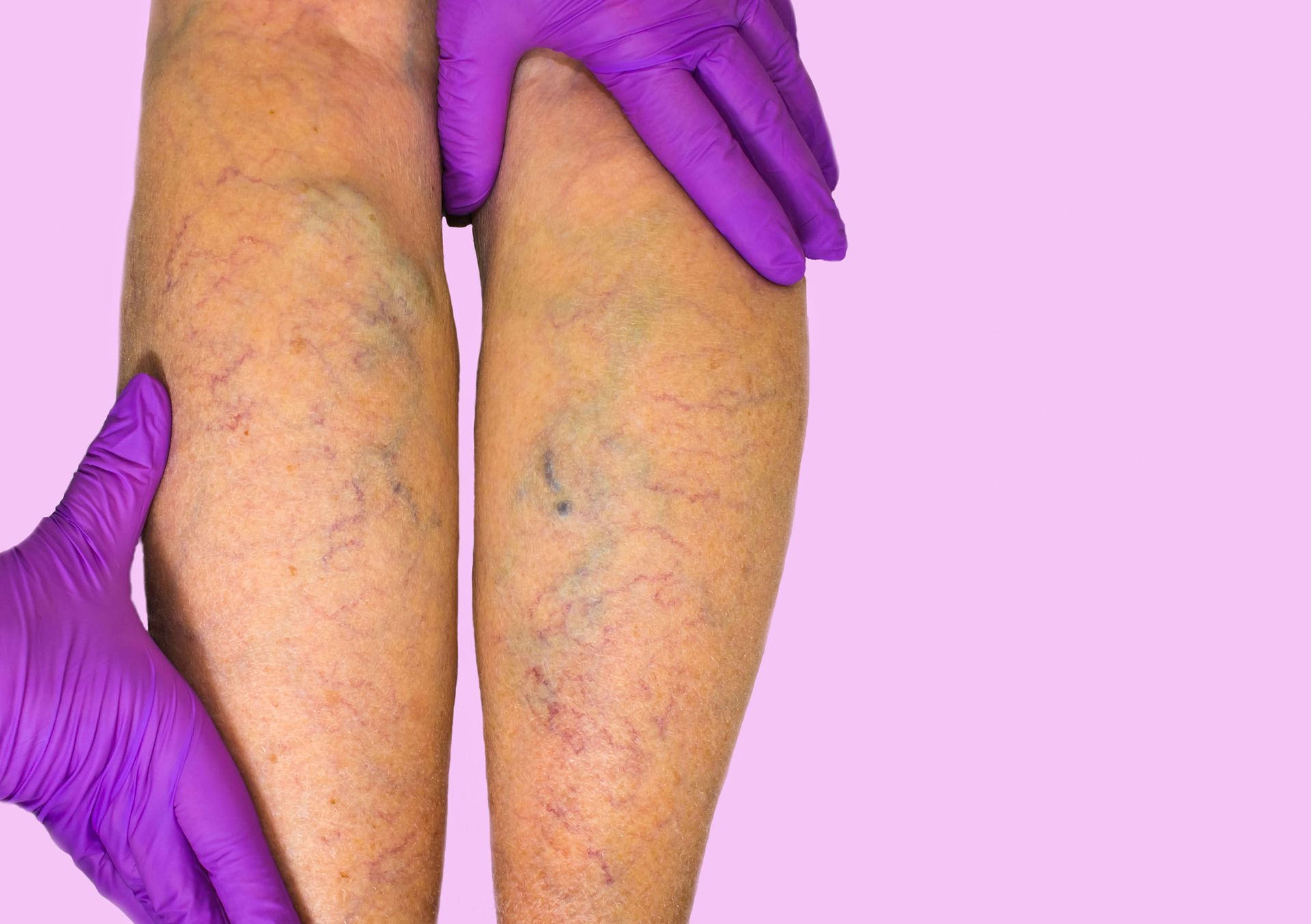
Common vein conditions include varicose veins and spider veins, which can affect both appearance and comfort. Varicose veins often appear enlarged and twisted beneath the skin and may be associated with aching or heaviness in the legs. Spider veins are smaller visible vessels that may indicate underlying circulation concerns. These conditions can vary in severity and may progress without appropriate evaluation and care, particularly in cases involving varicose veins.
Compare Treatment Approaches for Veins
Traditional vein treatments often involved more invasive surgical procedures and longer recovery periods. Modern approaches now include minimally invasive techniques designed to reduce tissue disruption and improve recovery time. Laser-based treatments and injectable therapies provide targeted options for addressing affected veins, such as varicose veins, with less downtime compared to conventional surgical methods.
Focused Laser Treatments Overview
Apply Laser Energy to Veins
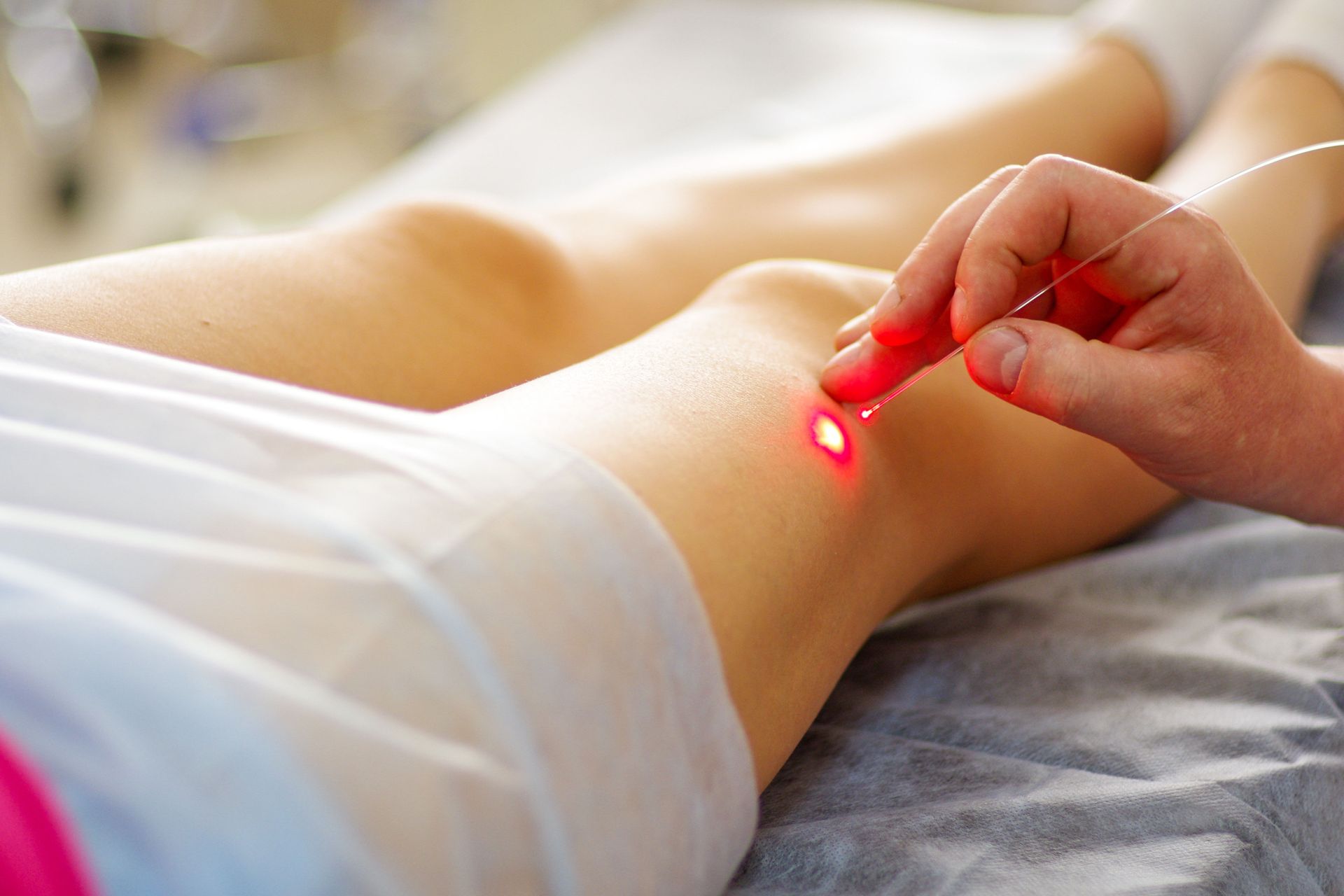
Laser treatment uses concentrated light energy to target specific veins, including those affected by varicose veins. This energy is used to close affected veins, allowing blood to naturally reroute through healthier vessels. The procedure is designed to be precise, targeting problem areas while minimizing impact on surrounding tissue.
Target Different Vein Types
This type of laser treatment is commonly used for varicose veins and involves delivering laser energy through a small fiber inserted into the vein. This method targets the affected vein internally to help close it. For smaller surface veins, laser-based techniques and injectable treatments may be used depending on the condition being addressed, including cases involving varicose veins.
Improve Surgical Alternatives With Laser Care
Laser treatments offer a minimally invasive alternative to traditional surgical approaches for varicose veins. These methods typically involve smaller entry points and reduced tissue disruption. Patients often experience less post-procedure discomfort and a quicker return to normal activities compared to more invasive procedures used for varicose veins.
Positive Vein Treatment Outcomes Overview
Minimize Invasive Impact on Veins
Laser-based vein treatments are designed to be minimally invasive, often requiring only small entry points. This reduces disruption to surrounding tissue and supports a more comfortable recovery process for individuals with varicose veins. Laser energy allows for focused treatment of affected veins while limiting unnecessary tissue impact.
Achieve Effective Vein Closure Results
Laser treatments are widely used because of their ability to effectively close targeted veins, including varicose veins. Many patients experience improvements in discomfort and visible vein appearance following treatment. Outcomes vary depending on individual condition severity and overall vein health.
Support Faster Recovery After Treatment
Recovery following laser vein procedures is typically shorter than with traditional surgical methods for varicose veins. Many individuals are able to resume normal daily activities within a short period. Aftercare often includes light activity recommendations and supportive measures to encourage circulation and healing.
Enhance Precision
Laser vein procedures are performed using controlled energy delivery systems designed to target specific veins affected by varicose veins. This helps limit impact on surrounding tissue. Treatment protocols are structured to support consistent application and patient monitoring throughout the procedure.
Safe Vein Care Practices Overview
Follow Clinical Treatment Standards
Laser vein treatments are performed following established clinical protocols designed to support patient safety. These procedures are guided by medical best practices. It ensures consistent and controlled application for conditions such as varicose veins. Providers follow structured treatment approaches to maintain procedural accuracy.
Assess Vein Conditions Before Treatment
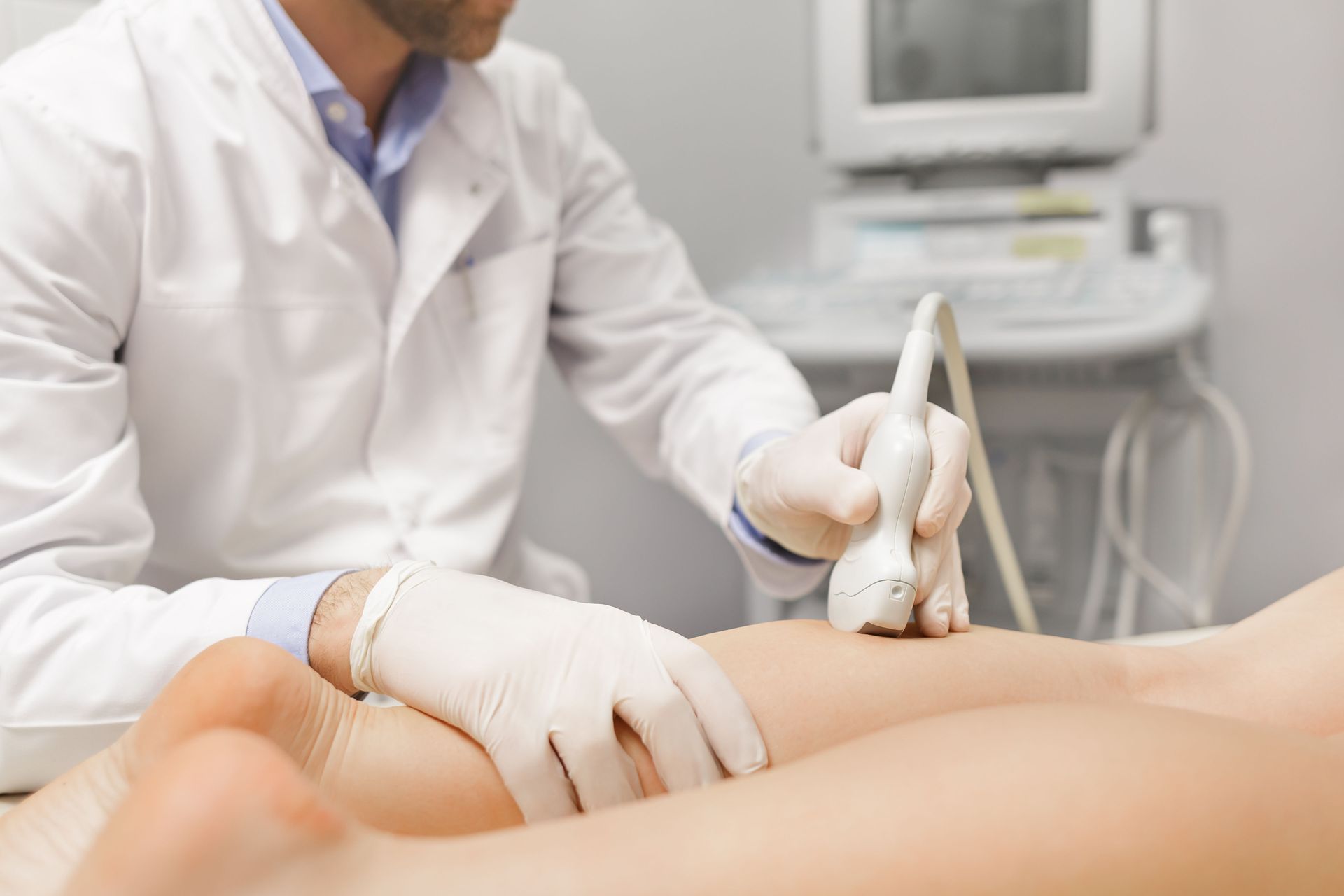
Before treatment, patients typically undergo a detailed evaluation to assess vein condition and overall suitability for the procedure. Diagnostic imaging, such as ultrasound, may be used to help identify affected veins, including varicose veins, and guide treatment planning. This step ensures the procedure is appropriately matched to the patient’s condition.
Manage Procedure Risks Carefully
As with any medical procedure, laser treatments may involve temporary side effects such as mild irritation or sensitivity in the treated area. Careful procedural planning and follow-up care help support recovery and reduce the likelihood of complications. These considerations are especially important in the treatment of varicose veins.
Educate Patients on Treatment Care
Patient understanding is an important part of the treatment process for varicose veins. Clear communication about procedure steps, expected outcomes, and recovery guidelines helps individuals make informed decisions regarding their care options. Education supports better preparation and post-treatment adherence.
Structured Vein Treatment Process Overview
Evaluate Veins During Consultation
The treatment process begins with a consultation and evaluation of symptoms and vein health, including varicose veins. Diagnostic tools may be used to assess the condition of the veins and determine appropriate treatment options. This step ensures the care plan is tailored to the patient’s needs.
Prepare for Vein Procedures
Patients may receive instructions before the procedure to help prepare for the treatment of varicose veins. These may include guidance on medications, activity adjustments, and general preparation steps to support a smooth procedure experience. Proper preparation helps support procedural success.
Perform Laser Vein Procedures
During the procedure, a local anesthetic is typically used to minimize discomfort in cases involving varicose veins. A small fiber is guided into the affected vein, often with ultrasound assistance. Laser energy is then applied to close the vein, allowing blood to redirect through healthier pathways.
Support Recovery After Treatment
After treatment, patients are generally encouraged to walk and maintain light activity to support circulation, especially following varicose veins treatment. Compression garments may be recommended in some cases. Follow-up visits allow for monitoring of recovery and treatment outcomes.
Balanced Vein Treatment Comparison Overview
Review Cost and Coverage Options
Costs for vein treatments vary depending on the procedure type and individual care needs for varicose veins. Insurance coverage may differ based on provider policies and whether the treatment is considered medically necessary. Patients typically review coverage details with their insurance provider before proceeding with care.
Evaluate Treatment Effectiveness for Varicose Veins
Laser treatments are commonly used for varicose veins and can also address smaller surface veins, depending on the approach used. Treatment selection is based on the specific condition and individual evaluation findings. Effectiveness varies depending on severity and patient factors.
Laser-based vein care has become an important option for addressing varicose veins, spider veins, and other circulation-related concerns through minimally invasive techniques. By using precise energy delivery and thorough diagnostic evaluation, these treatments support improved comfort and healthier vein function. For those exploring professional vein care in Illinois, Vein and Laser Center offers modern evaluation and treatment options. Learn more about available services and next steps in care.