July 15, 2026
Laser therapy has emerged as a popular and effective treatment for various vein conditions, providing patients with minimally invasive and highly successful solutions. This article explores the common vein conditions treated using laser therapy, the benefits of this treatment approach, and what patients can expect from the procedure. Vein conditions can lead to a range of symptoms that impact a person's quality of life, making effective treatments essential. With advancements in medical technology, laser therapy provides a cutting-edge alternative to traditional surgical methods. Through a detailed examination of vein conditions and laser treatments, this article aims to offer insightful perspectives on managing vascular health.
Understanding Vein Conditions
Overview of Vein Conditions
Vein conditions primarily affect the circulatory system, where veins become inefficient at returning blood to the heart. This inefficiency can lead to conditions such as spider veins, varicose veins, and chronic venous insufficiency. With the circulatory system playing a crucial role in overall health, any impairment can significantly impact daily life. Understanding the underlying mechanisms of these conditions helps in determining the most appropriate treatments. It's essential to address these conditions early to prevent complications and ensure effective management.
Several factors contribute to the development of vein conditions, often making them prevalent among specific demographics. Age, gender, family history, and occupation that involves prolonged standing or sitting are common risk factors. As these conditions become more understood, early intervention methods become more accessible and effective. According to the National Institutes of Health, it is estimated that about 20% of all adults will get varicose veins at some point in their lives. This statistic underscores the importance of understanding vein conditions and their treatments.
Overall public awareness regarding vein disorders remains low, often leading to delayed diagnosis and treatment. Education initiatives can play a pivotal role in improving early recognition of symptoms and seeking timely medical advice. By understanding the key signs and symptoms, individuals can prevent the progression of vein conditions. Early detection not only improves treatment outcomes but also empowers individuals to make healthier lifestyle choices. As we understand more about these conditions, the landscape of treatment options continues to evolve, providing hope to those affected.
Causes of Vein Conditions
Vein conditions often arise from a combination of hereditary and lifestyle factors. Genetic predisposition plays a significant role, often observed in families where multiple members suffer from similar conditions. Lifestyle factors such as obesity, sedentary habits, and prolonged periods of standing or sitting can exacerbate these genetic tendencies. Avoiding excessive weight gain through regular exercise, a balanced diet, and active lifestyle choices can dramatically reduce the risk of developing vein conditions. Creating awareness about these causative factors can empower individuals to make informed decisions about their health.
Hormonal changes, particularly in women, can also contribute to the development of vein conditions. Pregnancy, hormonal treatments, and menopause are known to increase the likelihood of these problems. The increase in blood volume during pregnancy, coupled with hormonal fluctuations, can put significant pressure on the veins, leading to conditions like varicose veins. As the demand for effective, non-invasive treatments grows, understanding these risk factors becomes even more vital. Proactive management and lifestyle adjustments can help mitigate the impacts of these conditions.
Symptoms to Watch For
Early recognition of vein condition symptoms can prevent complications and improve treatment outcomes. Common symptoms include swelling, heaviness in legs, pain, and visible veins on the skin surface. For many, these symptoms can worsen over time, leading to chronic discomfort and mobility issues. Patients often ignore initial symptoms until they become severe, complicating management and treatment efforts. Educating patients to recognize early warning signs and seek timely medical consultation is a critical component of effective treatment.
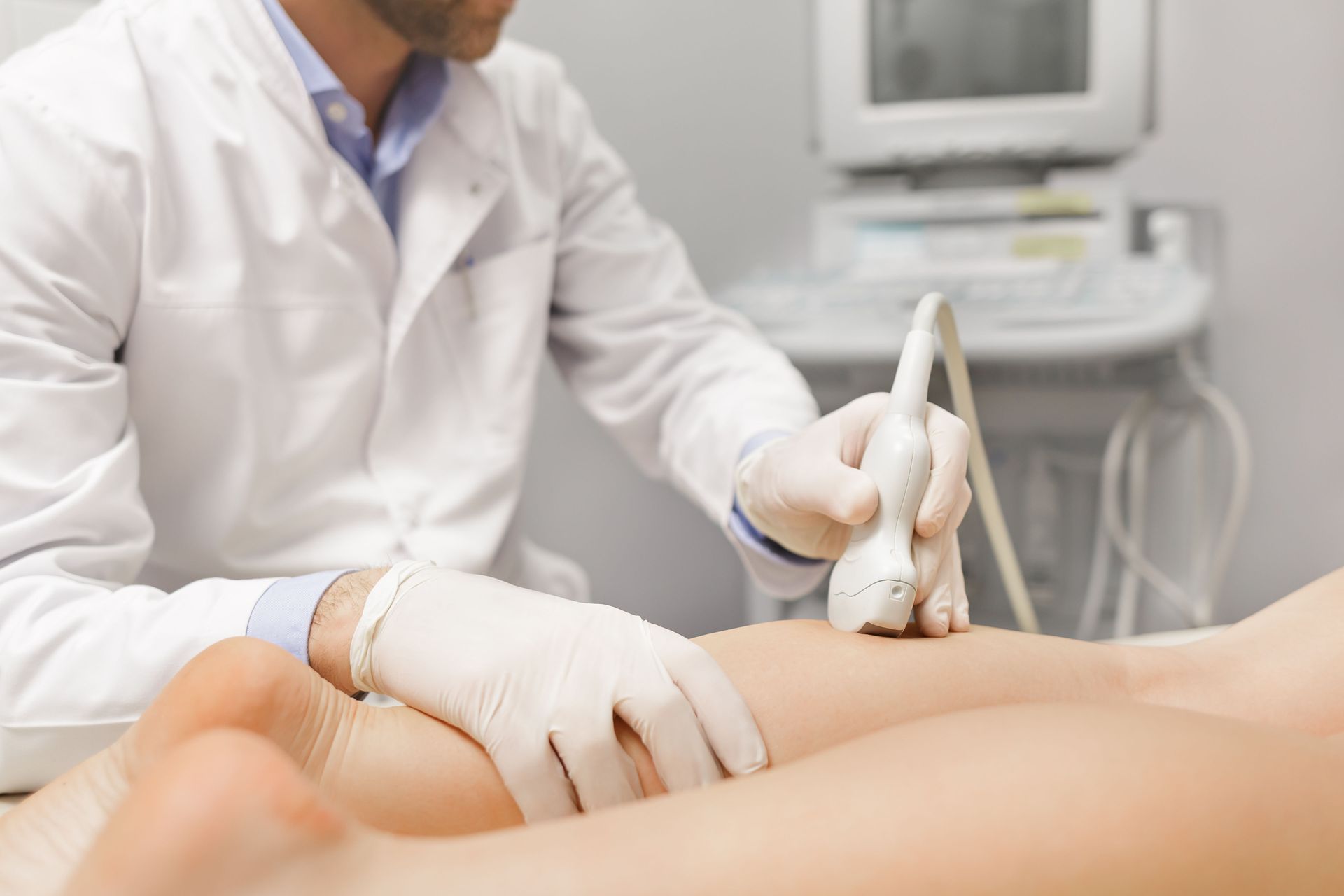
Varicose veins, often characterized by a raised, swollen appearance, are a visible indication of underlying venous issues. While these veins may be painless initially, they can lead to more significant health concerns if left untreated. Spider veins, while smaller and less pronounced, can also be symptomatic of complications with blood flow. Chronic venous insufficiency presents with symptoms like skin changes and ulcers, representing a progressive stage of venous conditions. Detecting and addressing these symptoms early can reduce the risk of complications and improve the viability of treatments like laser therapy.
Considering Laser Therapy for Vein Conditions
What Is Laser Therapy?
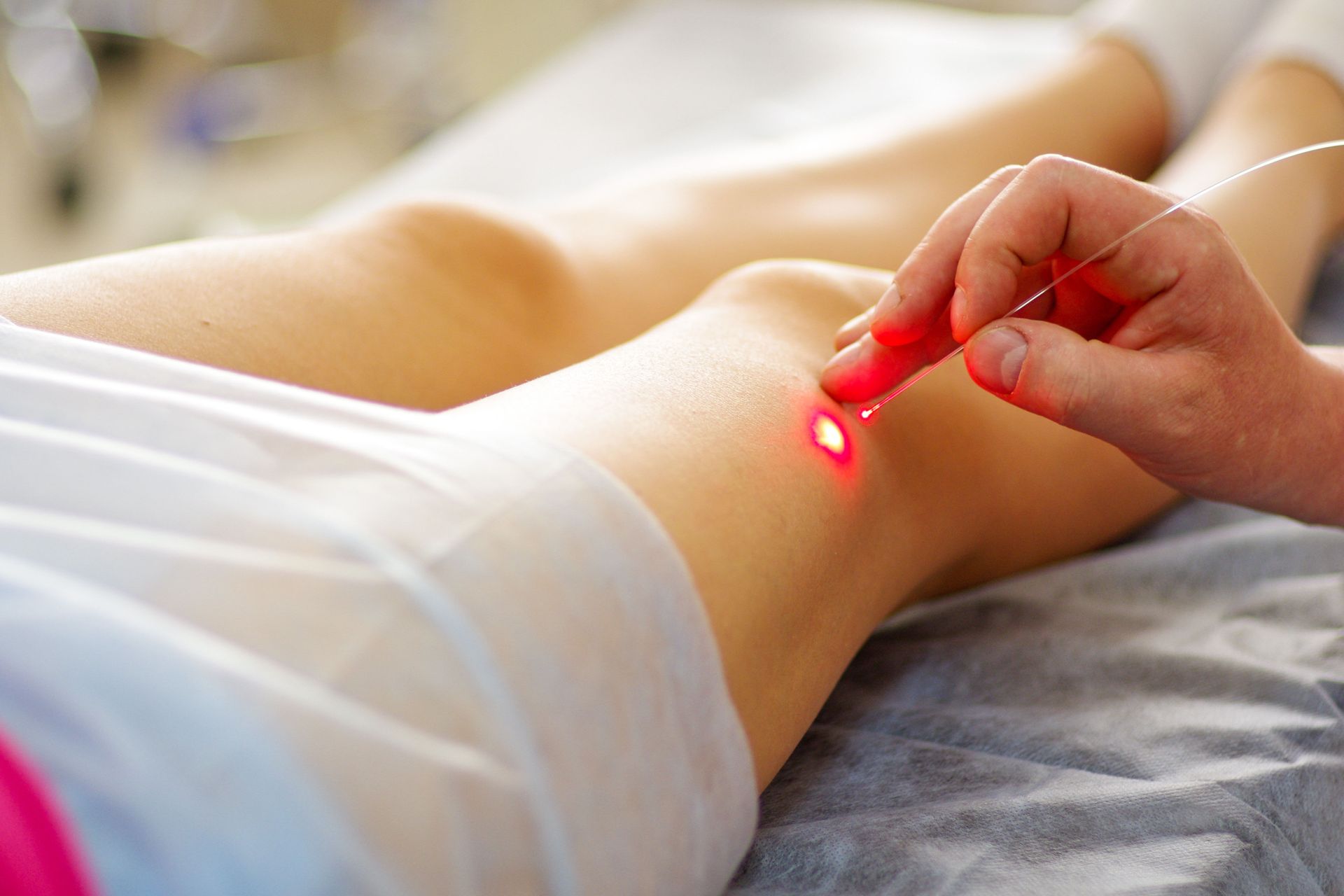
Laser therapy uses focused light energy to target and treat damaged veins, offering a revolutionary approach to varicose and spider vein treatment. This minimally invasive technique involves inserting a laser fiber into the affected vein, directing light at the vein's lining, causing it to collapse and close off. As the body naturally redirects blood flow to healthier veins, symptoms associated with the treated veins diminish. In comparison to traditional treatments, laser therapy is associated with fewer risks and a shorter recovery time. As patients increasingly seek non-invasive treatment options, laser therapy establishes itself as an effective alternative to surgery.
The precision of laser therapy permits treatment customization, ensuring focused and effective interventions. Healthcare providers can adjust the light's intensity based on the specific condition and patient needs, achieving optimal outcomes. This adaptability allows for precise targeting of affected veins, preserving surrounding tissue and promoting quick recovery. The non-invasive nature of laser therapy reduces discomfort and minimizes disruption to daily life during recovery. This advantage makes laser therapy a preferred choice for individuals seeking effective yet manageable vein condition solutions.
Types of Laser Procedures
Several laser procedures are available to address different types of vein conditions, each suited to specific circumstances and patient requirements. Simple laser treatment is typically used for small spider veins and varicose veins near the skin's surface. This method involves applying laser light directly to the affected area without any skin puncture, making it ideal for shallower veins. Conversely, endovenous laser treatment (EVLT) is better suited for larger varicose veins. It involves a fiber optic wire inserted through a tiny incision in the skin to deliver laser energy directly to the vein, offering a more comprehensive treatment for larger veins.
Each type of laser procedure offers unique benefits and potential outcomes depending on the complexity of the condition. Simple laser treatment provides convenience and quick results for minor conditions like spider veins and smaller varicose veins. Meanwhile, EVLT is recognized for its effectiveness in addressing more significant varicose veins, ensuring thorough treatment and consistent long-term results. EVLT typically requires less anesthesia and is less invasive than surgery, making it a favorable alternative for many patients. Choosing the appropriate procedure depends on factors including the condition's severity, vein size, and patient preference, guided by healthcare professionals' advice.
Benefits of Laser Therapy
Laser therapy offers numerous benefits that make it a favored choice in the treatment of various vein conditions. One of its primary advantages is the minimally invasive nature, allowing for treatment without surgical incisions, reducing the risk of complications, and minimizing recovery time. The absence of significant downtime post-treatment allows patients to resume daily activities quickly. Moreover, laser therapy's precision enables targeted treatment, effectively minimizing unnecessary damage to healthy tissues and reducing side effects. These advantages ensure patient comfort and satisfaction, encouraging more individuals to opt for this advanced treatment method.
Another key benefit of laser therapy is its effectiveness, as it has been shown to produce impressive long-term results in the treatment of spider veins, varicose veins, and chronic venous insufficiency. Patients frequently experience noticeable improvement in symptoms, overall vein appearance, and health following the procedure. The procedure stands as an economical option when considering its enduring results and reduced need for follow-up treatments or additional interventions. Additionally, laser therapy practices are often performed in outpatient settings, further contributing to cost efficiency. This all-inclusive benefit profile has solidified laser therapy's standing within the medical community and among patients seeking reliable treatment options.
As you can see, many vein conditions can be treated with laser therapy. If you're looking for treatments for varicose veins, contact Vein and Laser Center today.