October 15, 2026
Healthy circulation plays an important role in keeping the legs comfortable throughout the day. However, certain everyday habits can place additional pressure on the veins, making existing circulation concerns more noticeable. Long periods of inactivity, limited movement, and other lifestyle patterns may contribute to swelling, discomfort, and changes in the appearance of leg veins. These symptoms can develop gradually, making it difficult to recognize how everyday routines influence leg health. Paying attention to recurring discomfort can help individuals identify patterns worth discussing with a healthcare professional.
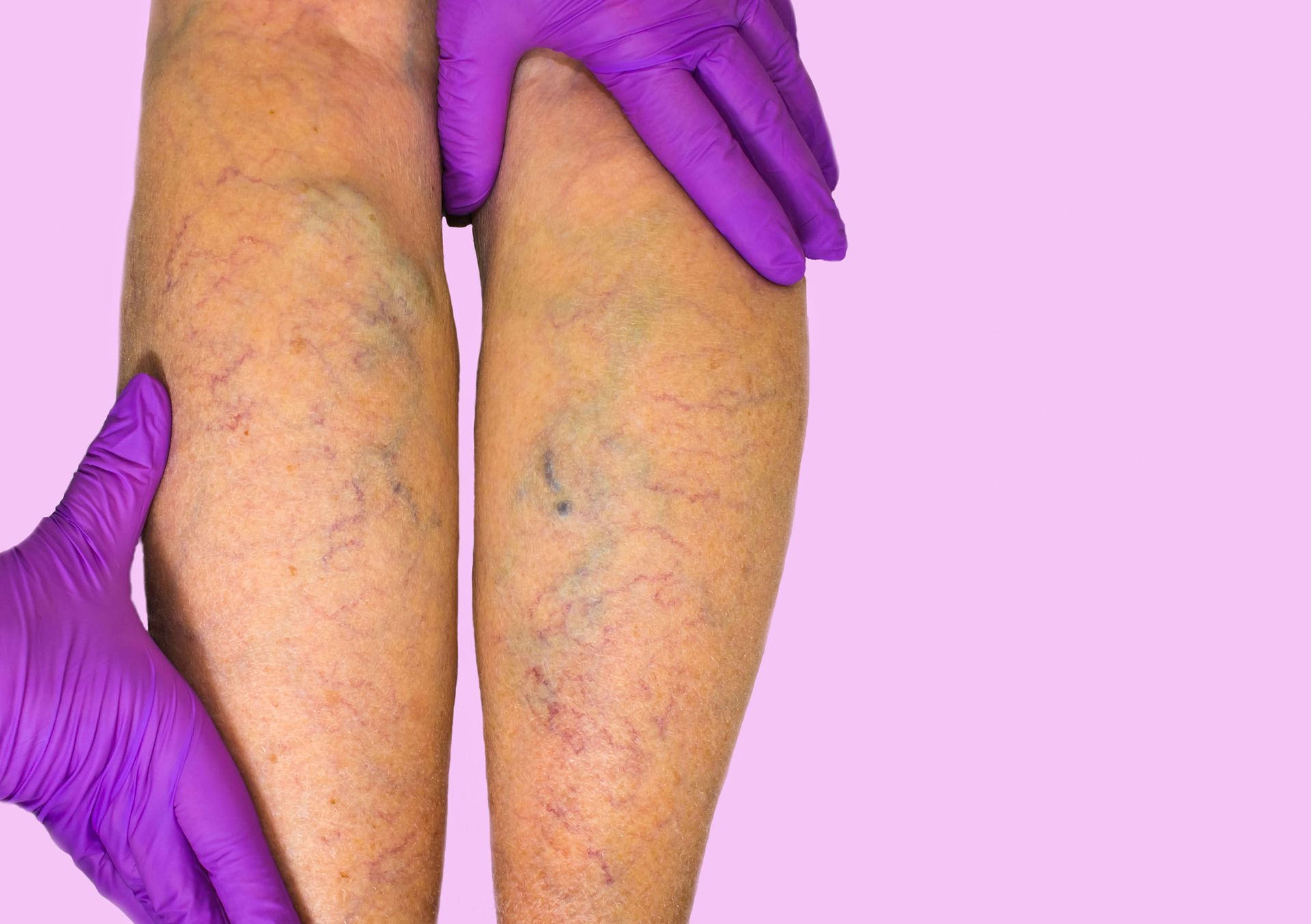
Varicose veins develop when vein valves become weakened or damaged, allowing blood to collect instead of flowing efficiently toward the heart. According to UCHealth, approximately one in four adults in the United States experiences this condition. Although genetics, age, pregnancy, and other factors can influence its development, daily routines may contribute to worsening symptoms.
1. Sitting for Extended Periods
Remaining Seated at Work
Office jobs often require several consecutive hours of sitting. During these periods, the calf muscles remain relatively inactive, reducing the muscular assistance that normally helps move blood toward the heart. Prolonged inactivity may increase feelings of heaviness or swelling, particularly among people who already experience circulation difficulties.
Remaining Seated During Travel
Long car rides and flights can create similar concerns. Limited leg movement may contribute to temporary blood pooling and discomfort. People with varicose veins sometimes notice increased swelling after extended travel, especially when their legs remain in the same position for hours. Travel-related discomfort may also become more noticeable when individuals already spend much of their regular workday sitting.
Remaining Seated During Leisure
Watching television, reading, or spending time on electronic devices can involve prolonged sitting. Although these activities seem harmless, extended periods without movement may aggravate existing symptoms. Regular changes in position can help support normal circulation throughout the day.
Remaining Seated Without Movement
The duration of inactivity matters because the lower legs depend partly on muscle contractions to assist venous blood flow. When movement becomes infrequent, individuals may experience increased tightness or fatigue.
2. Standing Without Changing Positions
Standing Throughout Work Shifts
Retail employees, healthcare professionals, restaurant workers, and others may spend much of their workday standing. Remaining upright without sufficient movement can increase pressure within the veins of the lower extremities. Over time, this may make existing varicose veins feel more uncomfortable.
Standing During Household Activities
Cooking, cleaning, and other household responsibilities can involve extended periods on one's feet. Although these activities sometimes include movement, standing relatively still may contribute to leg fatigue. Symptoms can become more noticeable toward the end of a demanding day.
Standing With Limited Muscle Activity
Walking activates muscles that assist circulation, while stationary standing provides less of this benefit. People who remain in one position may experience heaviness, aching, or swelling. Alternating between appropriate activities and rest can help reduce prolonged pressure on the legs. The difference between standing and walking is important because both involve being upright, but they affect lower-leg muscle activity differently. Frequent changes in position can help prevent extended periods of stationary pressure.
Standing Despite Increasing Discomfort
Some individuals continue standing even when their legs begin feeling uncomfortable. Persistent symptoms deserve attention, particularly when swelling or aching becomes frequent. Recognizing these patterns can help patients explain their experiences during a professional vein evaluation.
3. Avoiding Regular Physical Activity
Skipping Everyday Walking
Walking engages the calf muscles, which help move blood through the veins. When walking becomes an infrequent part of daily life, the legs receive fewer opportunities for this muscular assistance. For individuals with varicose veins, regular movement may help manage certain symptoms, although exercise cannot eliminate damaged vein valves.
Skipping Recreational Movement
Busy schedules sometimes leave little time for recreational activities. Swimming, cycling, and other appropriate forms of exercise can support general cardiovascular health and circulation. The most suitable activities depend on individual health conditions, mobility, and medical recommendations.
Skipping Movement Between Tasks
Even people who exercise occasionally may spend much of the remaining day inactive. Long periods at a desk or in front of a screen can contribute to leg discomfort. Movement throughout the day complements planned physical activity and reduces extended periods of immobility.
Skipping Activity Because of Discomfort
Leg aching or heaviness may discourage people from remaining active. However, avoiding movement entirely can contribute to additional inactivity-related symptoms. Patients experiencing persistent discomfort should discuss appropriate activity levels with a healthcare professional rather than assuming all exercise must be avoided.
4. Wearing Restrictive Clothing Regularly
Choosing Extremely Tight Waistbands
Clothing that fits tightly around the waist or groin may create discomfort and potentially interfere with normal circulation. Although clothing alone does not generally cause varicose veins, excessively restrictive garments can be uncomfortable for individuals already experiencing leg symptoms.
Choosing Restrictive Legwear
Very tight garments around the thighs or legs may create localized pressure. This differs from medically recommended compression stockings, which provide graduated pressure designed to support venous circulation. Patients should understand that ordinary restrictive clothing does not offer the same therapeutic function.
Choosing Uncomfortable Footwear
Footwear can influence walking comfort and lower-leg muscle activity. Shoes that discourage comfortable movement may indirectly contribute to prolonged inactivity. Selecting footwear appropriate for daily responsibilities can make regular movement easier and more comfortable.
Choosing Appearance Over Comfort
Fashion preferences sometimes take priority over physical comfort. People experiencing varicose veins may benefit from considering how clothing and footwear feel during extended periods of activity. Persistent swelling, pressure, or discomfort should prompt a discussion with a qualified medical professional.
5. Ignoring Persistent Leg Symptoms
Dismissing Recurring Swelling
Occasional leg swelling can have several causes, but recurring swelling deserves medical attention. When symptoms appear frequently or worsen over time, an evaluation can help determine whether venous circulation is contributing. Ignoring these changes may delay appropriate care for an underlying condition.
Dismissing Persistent Aching
Aching, throbbing, or heaviness may accompany varicose veins, particularly after prolonged standing or sitting. Some people become accustomed to these sensations and assume they are an unavoidable part of aging. However, ongoing discomfort should not automatically be considered normal.
Dismissing Visible Skin Changes
Changes in skin color, texture, or condition around the lower legs can sometimes accompany chronic venous disease. These symptoms warrant professional assessment because they may indicate more significant circulation concerns. Early evaluation can help identify appropriate management options.
Dismissing Changes in Daily Comfort
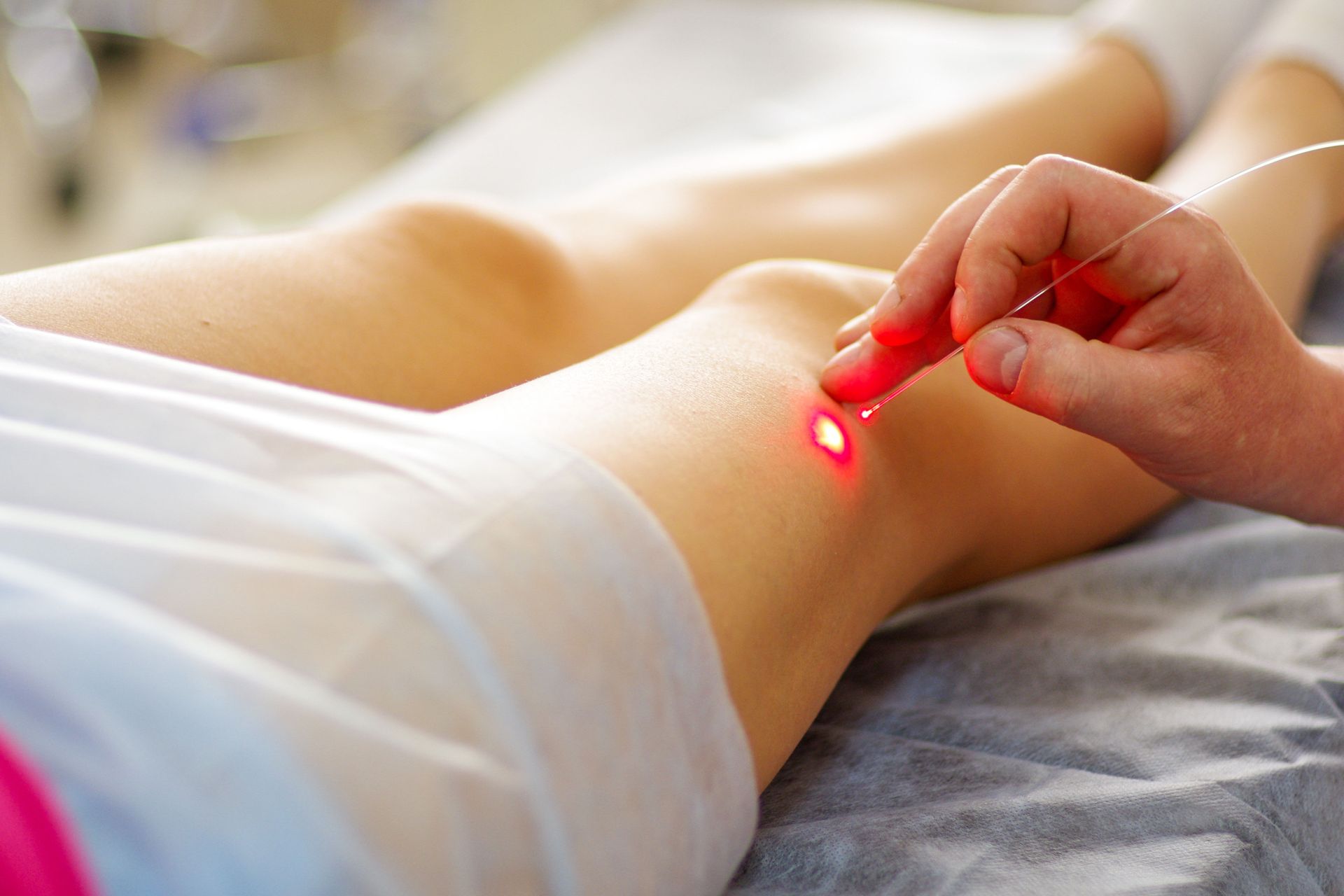
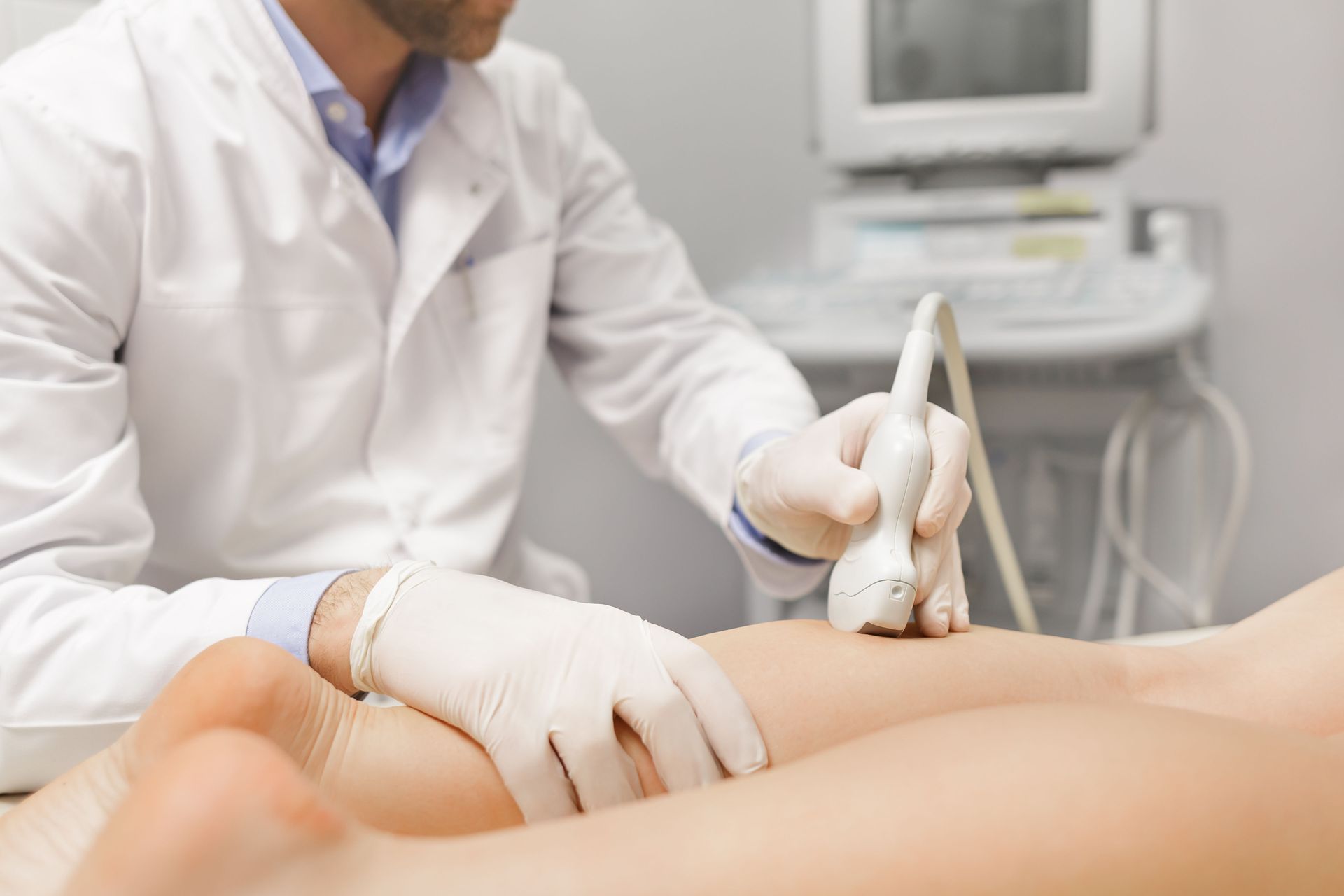
When leg symptoms begin interfering with work, sleep, exercise, or routine activities, professional guidance becomes especially important. A vein specialist can evaluate the symptoms, discuss possible causes, and determine whether additional testing or treatment may be appropriate. Symptoms that repeatedly affect concentration, mobility, or participation in enjoyable activities can have a meaningful impact on quality of life. Discussing these limitations during an appointment helps provide a clearer picture of how circulation concerns affect everyday routines.
Daily habits can influence how the legs feel, particularly when underlying venous problems are already present. Extended sitting, prolonged standing, limited activity, restrictive clothing, and overlooked symptoms may contribute to discomfort or make existing varicose veins more noticeable. However, lifestyle changes cannot necessarily reverse damaged valves or correct the underlying condition. Sudden one-sided leg swelling, significant pain, or redness requires prompt medical evaluation, while chest pain or difficulty breathing warrants emergency care.
At Vein and Laser Center, our team helps patients understand their symptoms and explore appropriate options for improving vein health. If varicose veins are affecting your comfort or daily activities, contact us today to schedule a professional evaluation and discuss personalized treatment options.